November 17, 2026
Maintaining a boat's appearance and protecting its exterior requires more than occasional cleaning. Constant exposure to sunlight, saltwater, moisture, and environmental contaminants can gradually deteriorate exterior surfaces, leaving them looking dull and vulnerable to damage. For decades, traditional waxing has been a popular maintenance solution, providing a temporary protective layer and restoring some of the vessel's shine. However, advances in surface protection technology have introduced more durable alternatives.
What Are the Advantages of Modern Boat Protective Coatings?
One of the biggest advantages of modern boat protective coating products is their ability to provide more comprehensive surface protection than conventional wax. Traditional marine waxes create a temporary layer that helps repel water and reduce the accumulation of certain contaminants. While useful, this protection gradually wears away through exposure to sunlight, water, washing, and general use. Modern coatings are formulated to bond with compatible exterior surfaces, providing a more persistent protective barrier.
Many advanced coatings use ceramic or other polymer-based technologies to create hydrophobic surfaces. This means water tends to bead up and roll away rather than spreading across the exterior. As water moves off the surface, it can carry loose dirt and contaminants with it, making routine cleaning easier. Although this does not eliminate the need for washing, it can reduce the effort required to maintain a clean vessel.
UV resistance is another important advantage. Prolonged sunlight exposure can cause oxidation, fading, and deterioration of exterior finishes. Boats frequently spend extended periods outdoors, making protection against ultraviolet radiation particularly valuable. A quality coating can help preserve the underlying finish by limiting its direct exposure to environmental contaminants and sunlight-related deterioration.
Modern coatings can also make maintenance more convenient. Instead of repeatedly applying wax to maintain protection, owners can benefit from a treatment designed to last considerably longer.
How Does Boat Protective Coating Offer Superior Durability?
Durability is one of the clearest differences between traditional waxing and modern surface protection. Wax generally sits on the exterior as a relatively temporary layer. Repeated washing, exposure to marine environments, and physical contact gradually diminish its effectiveness. Consequently, boat owners often need to reapply wax several times throughout the boating season.
A properly installed boat protective coating is designed to provide a more durable bond with compatible surfaces. Ceramic coatings, for example, commonly contain silicon-based compounds that form a hardened protective layer after curing. This structure helps the treatment resist environmental contaminants and routine cleaning better than conventional wax.
The distinction becomes especially important in marine environments. Saltwater leaves deposits that can contribute to surface deterioration, while bird droppings, tree sap, and other contaminants can stain exterior finishes if left unattended. Coatings with appropriate chemical resistance make these substances easier to remove before they cause lasting problems.
However, coatings should not be confused with physical armor. They cannot prevent every scratch, impact, or form of abrasion, and their effectiveness depends on proper maintenance. Their primary purpose is to protect the surface against environmental exposure and make routine cleaning easier.
Surface preservation also matters because factory finishes have limited material depth. According to DetailerMade, a typical factory paint job has a total depth of approximately 90 to 180 microns. This illustrates why preserving the existing finish is important.
Is Boat Protective Coating Cost-Effective in the Long Run?
The initial expense of professional coating application can be higher than purchasing marine wax and applying it independently. However, comparing these options based exclusively on upfront costs overlooks the ongoing expenses associated with traditional maintenance.
Wax requires regular reapplication to maintain its protective qualities. Depending on how frequently a boat is used and how much environmental exposure it receives, owners may need to purchase additional products and dedicate several hours to waxing throughout the year. Professional detailing services can make these recurring expenses even greater.
A quality boat protective coating can reduce the frequency of these treatments. Although the initial application may require professional surface preparation and specialized products, the resulting protection can last significantly longer than conventional wax. Over multiple boating seasons, reduced product consumption and fewer detailing appointments may help offset the original investment.
There are also potential indirect savings. Because coated surfaces are generally easier to clean, owners may spend less time washing away stubborn contaminants. Reduced reliance on aggressive cleaning products and repeated polishing can also help preserve the underlying finish.
Another consideration is resale value. A boat with a well-maintained exterior may make a stronger impression on prospective buyers than one showing extensive oxidation, fading, or neglected surfaces. While a coating cannot guarantee a higher resale price, preserving the vessel's appearance can contribute to its overall presentation and perceived condition.
How Does Boat Protective Coating Enhance Aesthetic Appeal?
A boat's appearance is an important part of its overall appeal. Whether it features a painted hull, fiberglass gelcoat, or other exterior materials, maintaining a clean and glossy finish helps the vessel look well cared for. Unfortunately, prolonged exposure to sunlight and water can gradually diminish that appearance.
Modern
boat protective coating treatments can help preserve exterior finishes by reducing the accumulation of contaminants and limiting environmental deterioration. Many products also enhance gloss, creating a smooth, reflective appearance that makes colors look richer and surfaces appear better maintained.
Hydrophobic properties contribute to this aesthetic benefit. When water beads instead of spreading across the surface, it is less likely to leave widespread water spots and mineral deposits. This makes routine cleaning easier and helps maintain a more consistent appearance between washes.
Wax can temporarily produce impressive shine, but its appearance and protective qualities typically diminish as the product wears away. Modern coatings are designed to maintain their performance for longer periods, reducing the need for frequent applications to restore the finish.
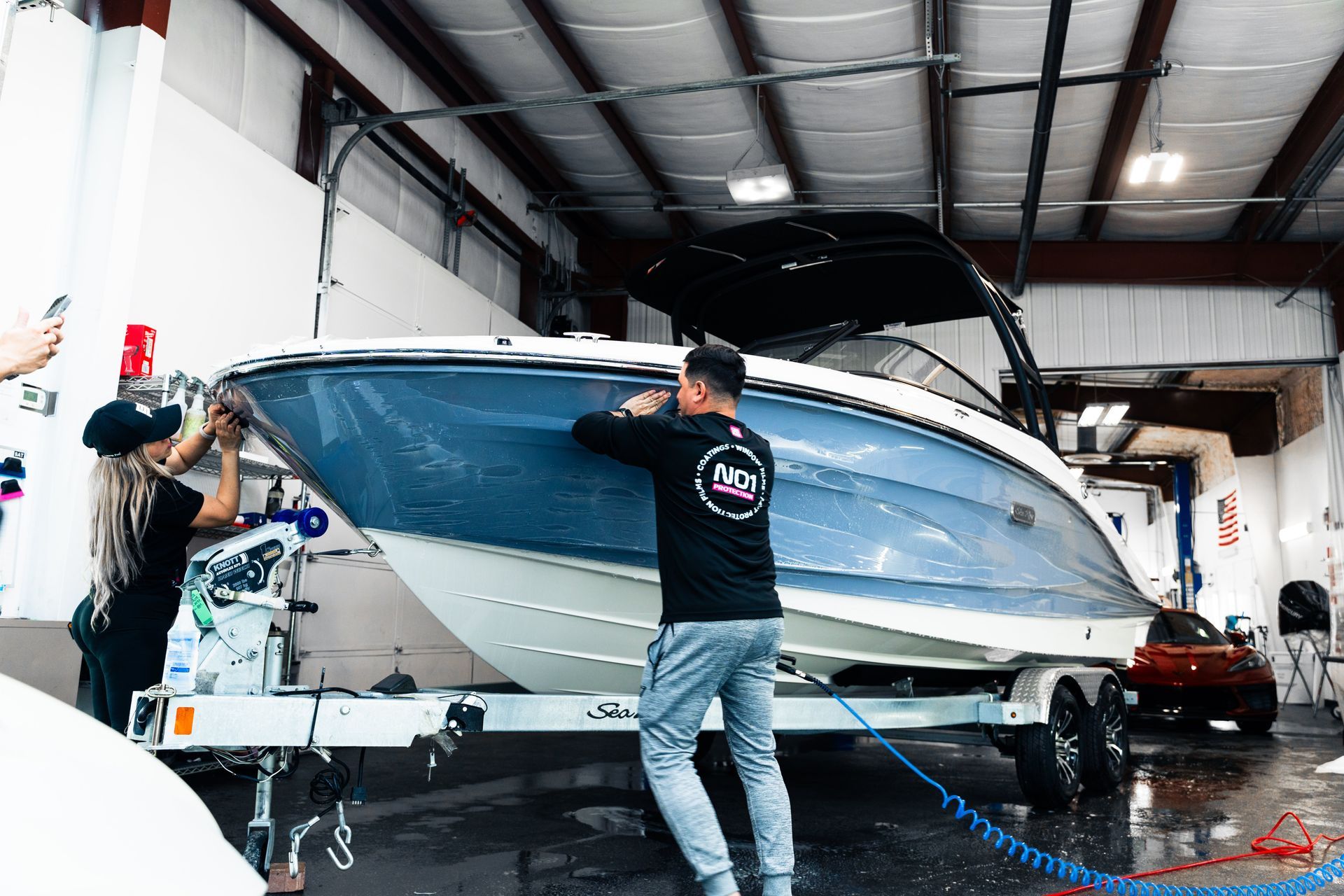
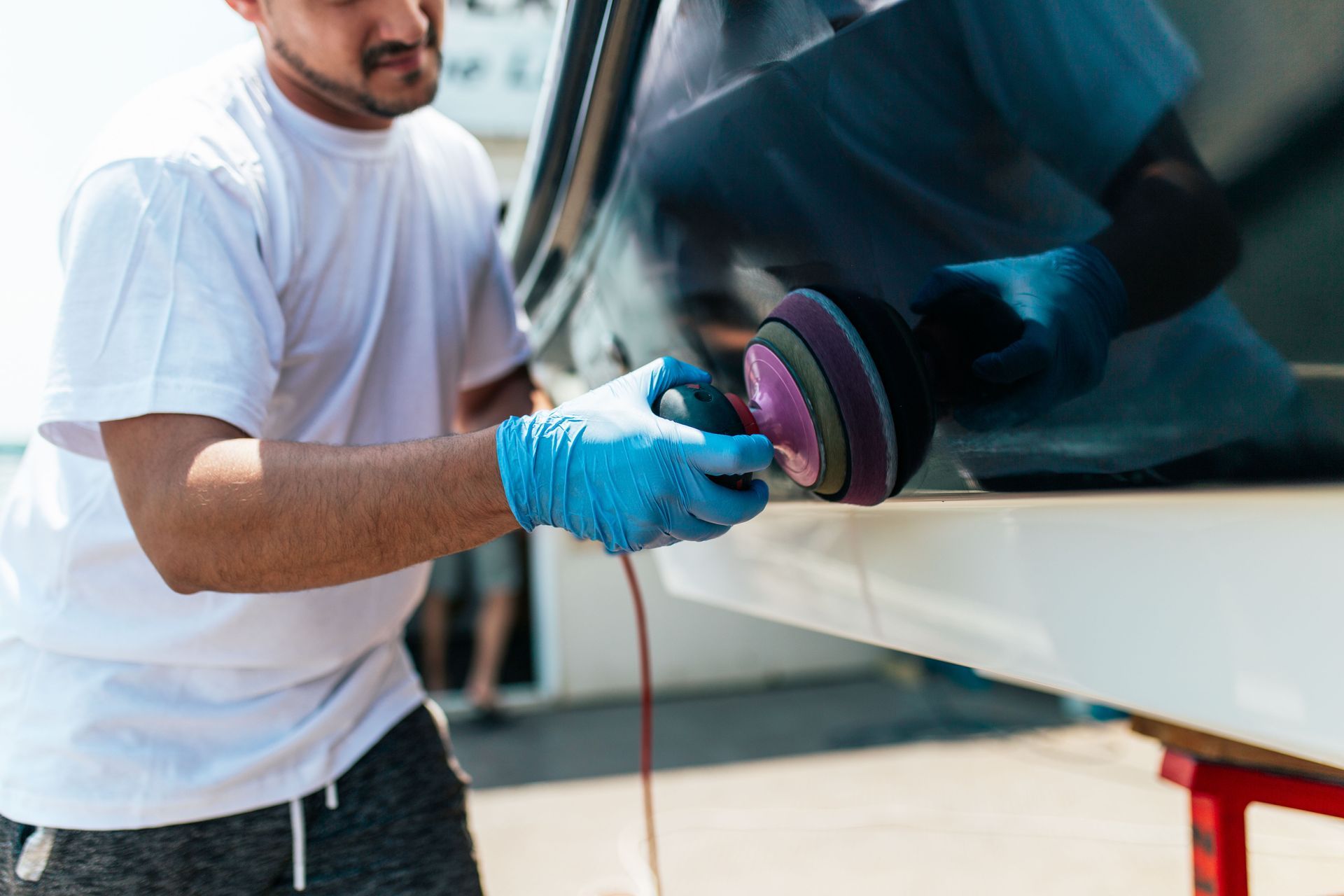
Preparation remains essential, however. Applying a coating over oxidation, scratches, or existing surface imperfections will not automatically correct those problems. Professional detailing may involve polishing and correcting the exterior before application. Once the surface is properly prepared, the coating helps preserve the improved appearance.
What Are the Environmental Benefits of Using Boat Protective Coatings?
Environmental considerations are increasingly important in marine maintenance. Boats operate in waterways that support wildlife, aquatic vegetation, and delicate ecosystems. Consequently, the cleaning and protection products used on their surfaces deserve careful consideration.
One potential advantage of modern coatings is their longevity. Because they can last longer than traditional wax treatments, owners may need to apply protective products less frequently. Fewer applications can mean reduced product consumption, less packaging waste, and fewer maintenance sessions throughout the year.
Coated surfaces may also require less aggressive cleaning. Their hydrophobic characteristics help prevent contaminants from adhering as stubbornly, allowing owners to remove dirt with less effort. Depending on the cleaning products selected, this could reduce the amount of chemical cleaner needed during routine maintenance.
However, environmental benefits depend heavily on the specific formulation and application process. Not every ceramic or polymer coating is environmentally friendly, and some products contain chemicals that require careful handling. Owners should follow manufacturer instructions, avoid allowing uncured products or cleaning chemicals to enter waterways, and select formulations appropriate for marine applications.
Proper disposal of application materials and cleaning supplies is equally important. Responsible maintenance practices help ensure that the benefits of longer-lasting protection do not come at the expense of surrounding ecosystems.
Modern coatings offer several meaningful advantages over traditional marine waxing. Their longer-lasting protective properties, resistance to environmental contaminants, and hydrophobic characteristics make them valuable tools for preserving exterior surfaces. If you're considering paint protection, reach out to the team at Ceramic Pro Sarasota today!